







Vacuum flag lifters for the road
November 18, 2024
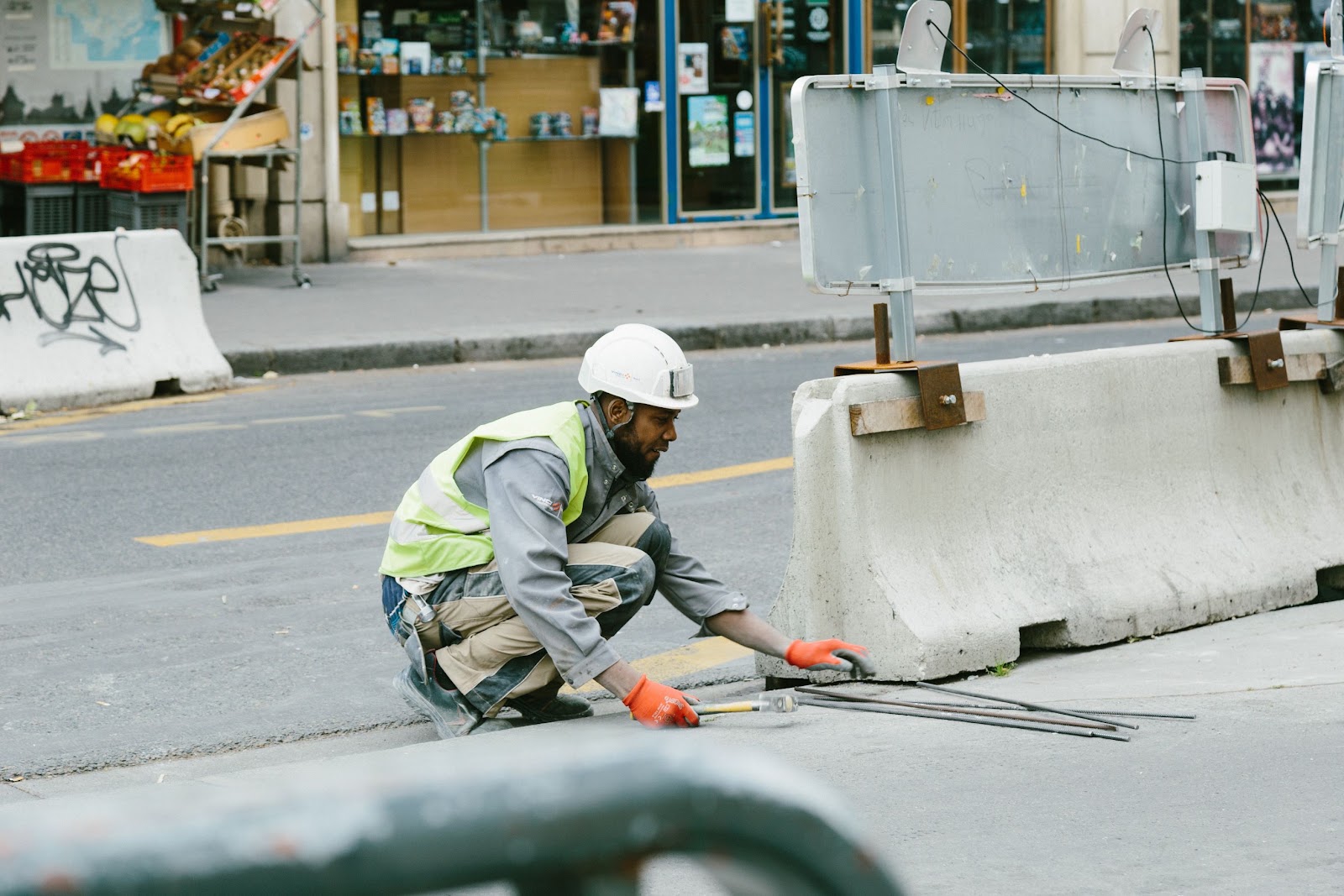
Roads play a crucial role in the economic development of a nation. They are also important projects in the construction industry too. In case you are new to the industry, and you have a construction project, there are a few things you need to know. Let's check out the types of roads based on construction materials.
Earthen Road
This is the cheapest type of road. The pavement is constituted from the soil at the site. It is suitable for the countryside and areas with little traffic.
Bituminous Road
Bituminous roads are common throughout the world. These roads are the most used. The cost of bituminous roads is inexpensive, and they are great for driving conditions.
Concrete Roads
In the case of concrete roadways, the pavements are made of cement concrete. These are the most common and most expensive types of roads. They require less upkeep because they aren't flexible
Concrete roads are ideal for locations with a lot of traffic.
Asphalt
For a variety of reasons, asphalt is one of the most often utilized materials in road construction. The primary advantage is that it is entirely recyclable. Most construction companies make it a point to recycle all of the asphalt they collect on the job. This is not only helpful for the environment, but it also strengthens the roadways. Recycled asphalt compositions are tougher, endure longer, and have better rut resistance.
Gravel Road
Gravel roads are of inferior quality, but they are preferable to earthen roads. Here, the pavement material is a compacted combination of gravel and earth.
Types of road construction equipment
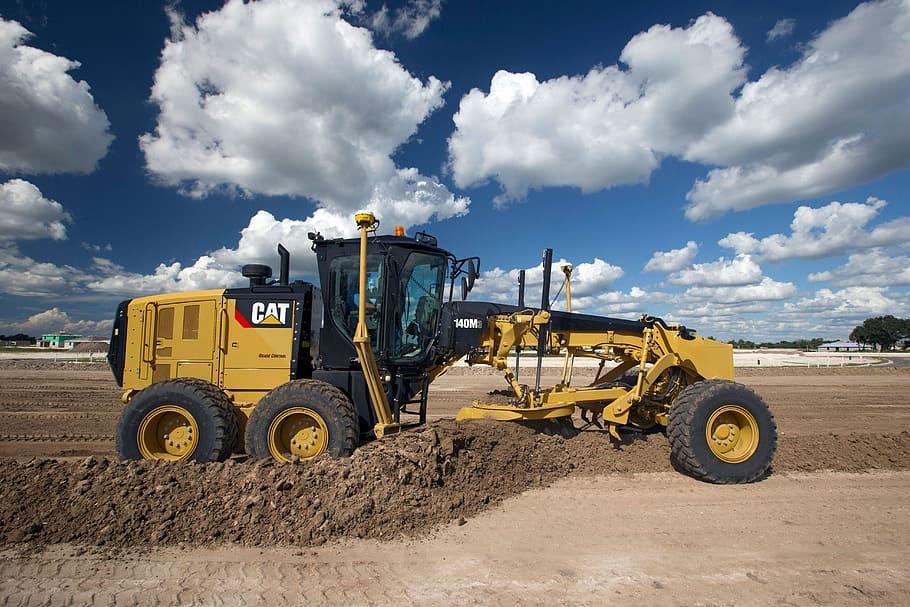
Motor grader
A motor grader, often known as a road grader, is a machine that excavates or flattens the ground. The machinery is so powerful that it can quickly flatten even the most challenging rockery or clay surface. Three axles are usually found on a motor grader. This machine is crucial since it speeds up the work and aids in completing the construction project.
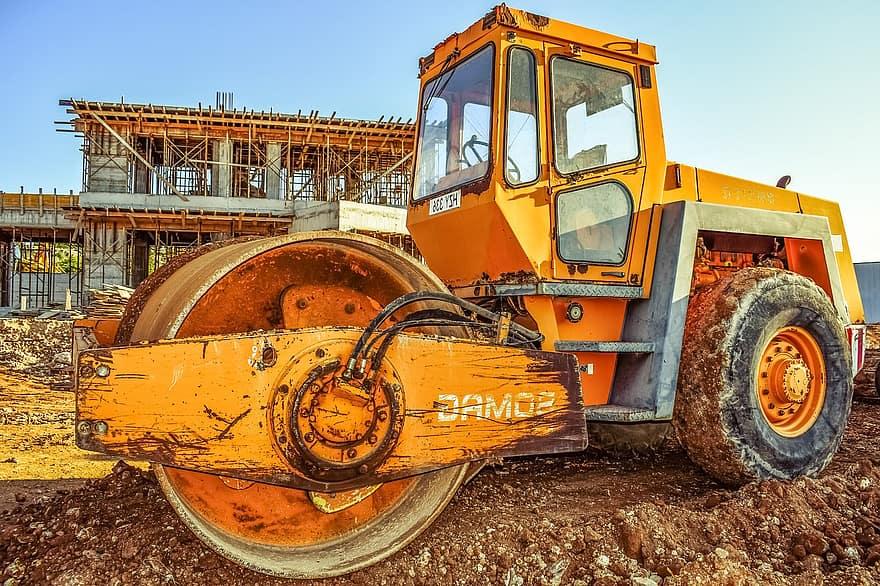
Road roller
After the asphalt is laid down on the road, a road roller machine is employed. The asphalt is compacted by rolling the machine.
Forklift trucks
The forklift truck (also known as a lift truck or a fork truck) was invented to lift or transport large manufacturing plants or factories. However, it has broadened its functions over time as a result of several mechanical improvements. A truck with an attached extended platform makes it easier to pick up and transport an object lying on or below the ground. It is used to lift hefty materials.

Crawler excavator
It's a piece of heavy construction machinery that excavates paving rocks and clay before loading it onto a dump truck. It is used for various tasks like digging the earth, excavating rocks and clay, and moving boulders and soil from construction sites.

Vacuum flag lifter
Vacuum flag lifters are ideal for moving slabs over longer distances since they grab the slab and elevate it upright. Vacuum flag lifters are suitable for quickly and precisely placing or removing pavement. Apply pressure on the desired slab, compress the ball, and lift it. GRABO electric vacuum lifter could serve as a suction flag lifter. GRABO Electric Vacuum Suction Lifter is suitable for concrete. The GRABO is unique in that it makes lifting large items easier, safer, and faster without the use of traditional suction methods. It can lift to 170kg. The GRABO is designed to safely and securely move stone, paving slabs, and other materials.

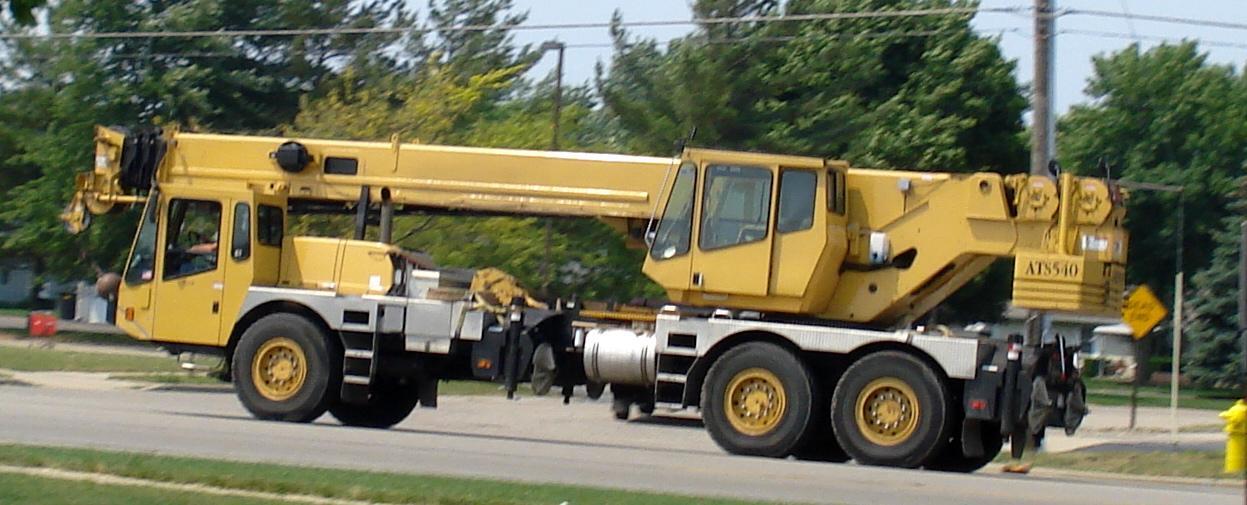
Truck crane
A truck crane may assist with various tasks, such as loading and unloading large industry stuff, lifting huge products, and much more. Cranes are typically linked to trucks and used to transport construction equipment to construction sites.

Stages in road construction
Clearing and excavation
The area where the road will be built must be cleared of all vegetation, which means trees, shrubs, and bushes must be removed. Excavation vehicles will also remove boulders and stones from the path of the future road. Control measures such as fences, ditches, and basins are used to keep the cleared area from eroding
Mounting
As diggers, excavation plant machines, and bulldozers spread dirt and soil over the area where the future pathway would run. The road begins to take shape. Graders are then used to level and smooth the surface. Culverts and drains, which are massive concrete pipes, are used to prevent flooding by diverting groundwater, sewage, and stormwater away from the road.
Fine grading
Fine grading necessitates construction workers leveling the surface by structural engineers' plans. Fine grading needs both manual labor and digging, as well as grading plant machinery. The grading is stabilized using limestone or concrete to make it last.
Aggregate base
The aggregate foundation course is laid after additional grading of the surface. Crushed stone or gravel aggregate base is equally distributed over the road surface. If the road is in a town or city, the pavement curb and gutter will be built immediately after the gravel is spread on the surface. After that, the road is fine-graded once more.
Asphalt paving
The asphalt can be placed when the gravel has been evenly spread. Asphalt comprises petroleum waste, aggregate foundation material, and bitumen, a sticky, glue-like substance. Up to four layers of asphalt can be layered on top of each other, depending on the estimated traffic on the route. Asphalt is often manufactured and mixed at huge plants according to the engineer's specifications. The hot asphalt is loaded into trucks and transported to the construction site, where it is immediately poured. The sidewalks and gutters must be completed before the final layer of asphalt tares are poured. The construction work is completed with the installation of appropriate road signs and road markings in the locations designated by the planners.
Conclusion
Several materials are available for road construction, and understanding them is critical because different materials have varied properties.

vacuum flag lifter